

Knee Pain Treatment in Liverpool
Knee pain can make squatting, running, climbing stairs, training and even getting up from a chair uncomfortable.
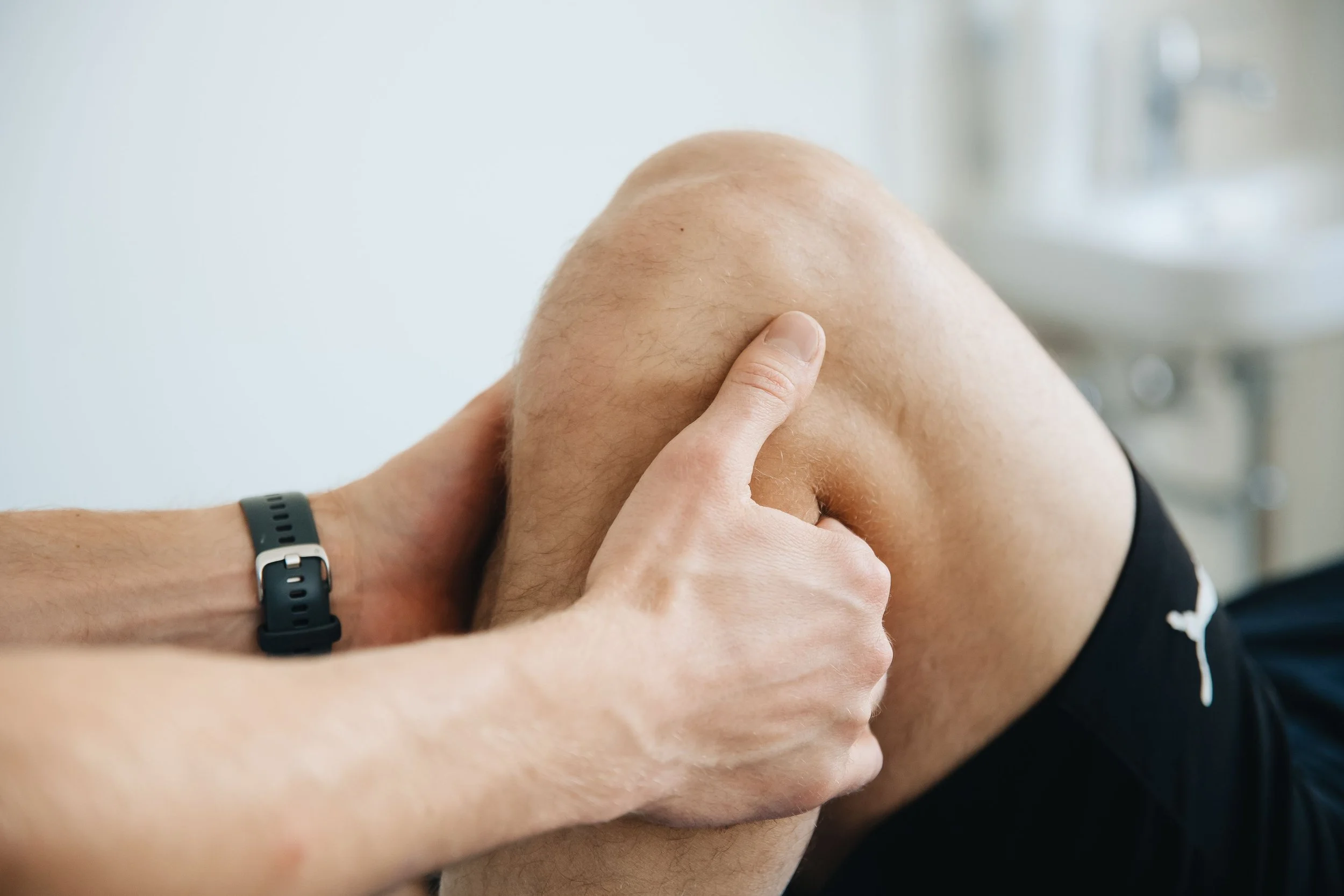
At My Massage Therapist in Liverpool, I provide assessment-led remedial and sports massage for knee pain where muscular tightness, overuse or movement restrictions may be relevant.
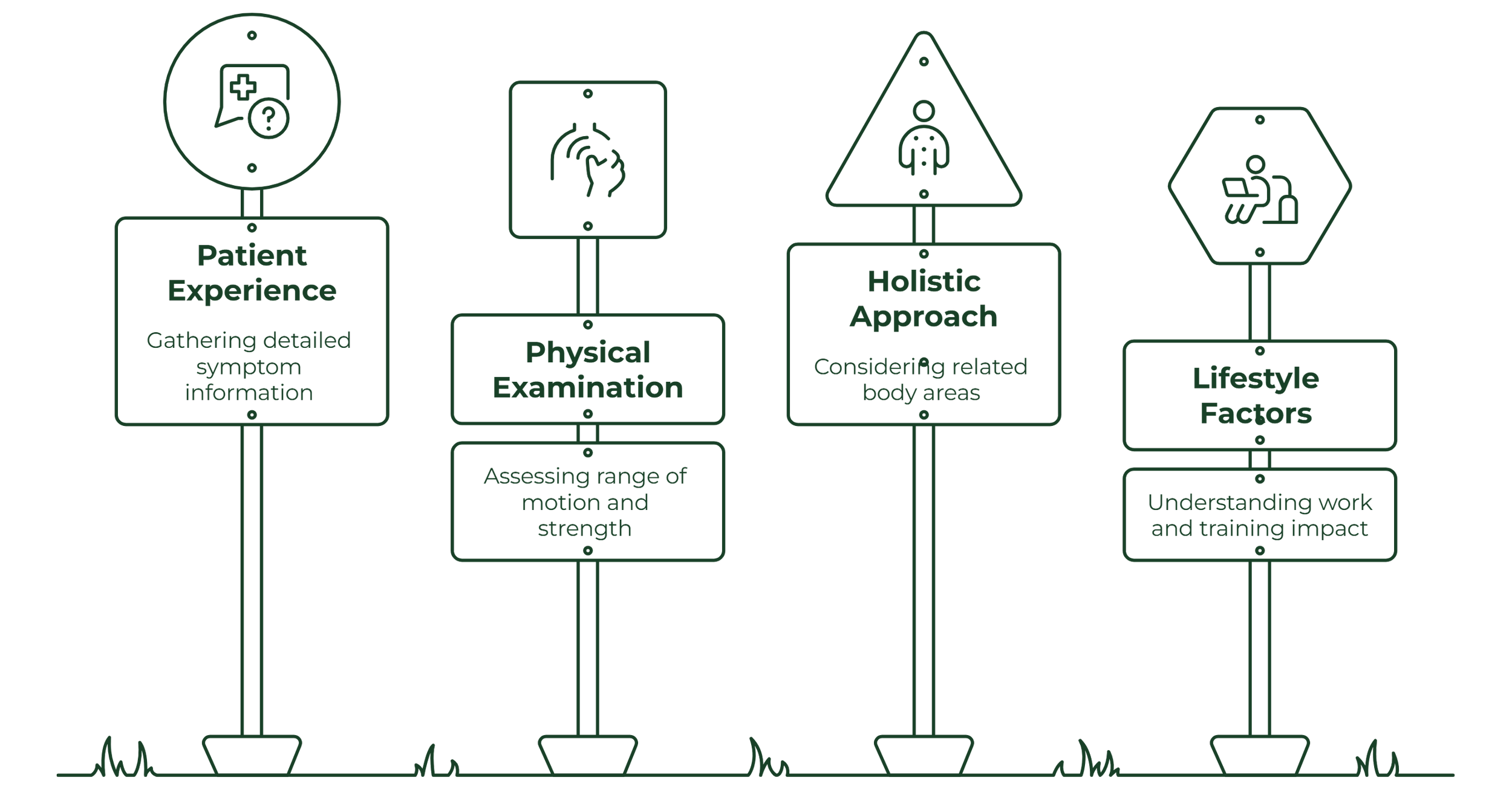
I don't automatically massage around the knee and send you on your way. Depending on your presentation, I may assess relevant movement, strength and range of motion around the knee, hips and ankles, as well as looking at your training, work and recent activity.
Treatment is then tailored around what you're experiencing and what you want to get back to doing.
Knee pain affecting your training or everyday movement?
What Does Knee Pain Feel Like?
Knee problems can show up differently depending on the person and what they're asking their legs to do.
You might notice discomfort during:
Squats or lunges
Running
Walking longer distances
Going up or down stairs
Leg training at the gym
Kneeling
Getting up from a chair
Repeated bending at work
Higher-volume sport or training
For some people, symptoms only appear once the knee is heavily loaded. For others, everyday activities are enough to aggravate it.
You don't need to know exactly what's causing the pain before making an appointment.
How Do I Assess Knee Pain?
I start by understanding when your knee hurts and which activities are affected.
Depending on your presentation, I may assess relevant knee movement, range of motion and strength. I may also consider the hips and ankles where appropriate.
If you're active, your training provides important context.
A knee that becomes uncomfortable after a sudden increase in running presents differently to one that hurts during heavy squats. Likewise, someone spending hours kneeling or repeatedly bending at work may have different demands again.
I may ask about recent changes in training volume, exercise selection, work and everyday activity so we can build a more useful picture of what's going on.
Can Remedial Massage Help With Knee Pain?
Remedial massage may form part of treatment when muscular tension, discomfort or movement restriction around the knee and surrounding areas is relevant.
For example, some knee complaints can present alongside heavily loaded or overworked quads.
Depending on your assessment, hands-on treatment may involve relevant areas through the thigh, calf, hips or other surrounding muscles rather than trying to massage the knee joint itself.
Techniques may include remedial or sports massage, deep tissue techniques, trigger point therapy and stretching.
IASTM may also be incorporated briefly where appropriate.
Do You Only Treat Around the Knee?
Not necessarily.
Where you feel pain matters, but it doesn't automatically tell us everything that's relevant to your presentation.
Depending on your symptoms, I may also assess relevant hip and ankle movement, strength and muscular tension.
For someone experiencing pain while squatting, I may want to see the movement that's giving them trouble rather than only treating their quads.
For a runner, training volume and the demands being placed on the legs may also be worth discussing.
This doesn't mean every difference or asymmetry I find is automatically a problem that needs fixing. Assessment is about identifying what appears relevant to your symptoms and goals.
What If My Knee Hurts When I Squat?
Tell me when during the squat you notice it and what the discomfort feels like.
For lifters, CrossFit athletes and gym-goers, knee pain can become particularly frustrating when it starts limiting squat depth, load or training volume.
Where appropriate, I can look at your squat alongside relevant knee, hip and ankle movement and strength.
You may not need to stop squatting completely.
Depending on your presentation, we might temporarily modify the movement, range, load or another training variable while maintaining activity that you're tolerating.
The aim is to make the plan fit your current ability rather than automatically choosing between pushing through the pain and stopping all lower-body training.
Can I Keep Training With Knee Pain?
It depends on your presentation, but knee pain doesn't automatically mean all training has to stop.
Where appropriate, I prefer to identify what you can currently tolerate.
An aggravating exercise may need to be modified or temporarily regressed while other movements continue. As your tolerance changes, exercises and loading can then be progressed.
Pain response is considered case by case rather than treating one number as a rigid rule for everyone.
If your knee presentation suggests further investigation is needed, I'll recommend referral rather than encouraging you to keep loading something that should be assessed elsewhere.
Will I Get Exercises for My Knee?
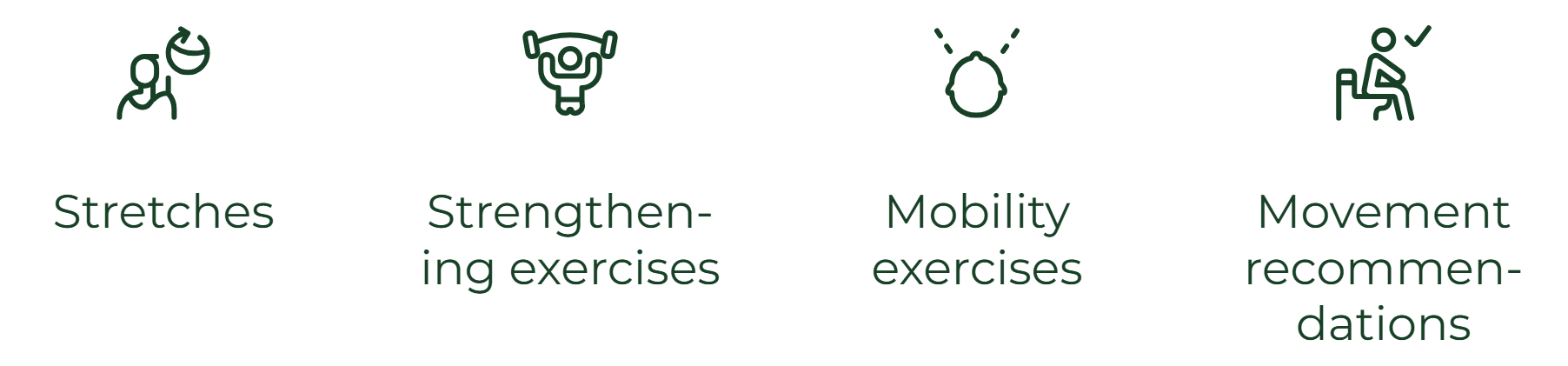
Where appropriate and appointment time permits, I may prescribe relevant strengthening, mobility, stability or movement-control exercises.
Your exercise aftercare is based on what comes up during your assessment.
That could mean working on relevant strength, modifying an aggravating exercise or gradually rebuilding a movement that's currently difficult.
I normally demonstrate prescribed exercises during the appointment and send you a PDF afterwards.
The goal isn't to hand everyone with knee pain the same generic exercise program. The recommendations should make sense for your presentation and what you need your knee to tolerate.
Why Choose My Massage Therapist for Knee Pain?
I'm a qualified Remedial Massage Therapist with more than 4 years of hands-on experience and over 3,000 treatment sessions.
I also hold Certificate III and IV in Fitness and a Certificate in Allied Health Assistance, which complement the movement and exercise side of my treatment approach.
I regularly work with CrossFit athletes, lifters, runners, gym-goers and other active people, as well as general remedial massage clients.
My approach is practical.
If your knee is stopping you from squatting, running, working or moving normally, I want to understand that activity rather than simply treating the area and ignoring what happens once you leave the clinic.
Knee Pain Treatment in Liverpool & South West Sydney
My Massage Therapist is located at 92 Flowerdale Road, Liverpool NSW 2170, providing remedial and sports massage to clients from Liverpool and across South West Sydney.
If knee pain is interfering with your training, work or everyday movement, you don't need to know exactly what's causing it before booking.
I'll assess your presentation within my scope, explain relevant findings and determine whether remedial or sports massage is appropriate.
If your knee requires investigation or treatment outside my scope, I'll recommend referral.
Frequently Asked Questions
-
Massage may be appropriate when relevant muscular tension, discomfort or movement restriction forms part of your presentation.
That doesn't mean every knee problem can or should be treated with massage.
Your appointment starts with assessment so I can determine whether hands-on treatment is appropriate and which areas may be relevant.
-
Not necessarily.
Depending on your presentation, treatment may focus more on relevant muscles around the thigh, calf or hip.
I don't automatically apply pressure directly to the painful area simply because that's where you're feeling symptoms.
-
If your presentation is appropriate for my scope, I can assess relevant movement, range of motion and strength and consider the squat itself.
Treatment and aftercare can then be tailored around what appears relevant rather than simply telling you to stop squatting.
-
It depends on your symptoms and how the knee responds to running.
Training volume, recent changes in activity and what you can currently tolerate may all be relevant.
Where appropriate, running may be modified rather than automatically stopped. If your presentation requires further investigation, I'll recommend that instead.
-
You don't need to decide before attending.
Sports Massage may be particularly relevant when your knee problem is connected with running, CrossFit, lifting, gym training or another sport.
Remedial Massage may suit muscular pain, tightness and movement restriction more generally.
Both use an assessment-led approach, so we can determine what's appropriate once I understand your presentation.
-
There's no fixed number that applies to every knee problem.
How long you've had symptoms, your activity demands, assessment findings and response to treatment can all influence the plan.
I'll reassess your progress rather than promise that a predetermined number of appointments will resolve your knee pain.
Book Knee Pain Treatment in Liverpool
If knee pain is getting in the way of squatting, running, training, work or everyday movement, book an appointment at My Massage Therapist in Liverpool.
We'll start by looking at your symptoms, movement and goals, then tailor treatment around what's relevant to your presentation.
My Massage Therapist
92 Flowerdale Road, Liverpool NSW 2170