


Sciatic-Type Pain Treatment in Liverpool
Pain that travels from the lower back or buttock into the leg can make sitting, walking, bending, training and everyday movement difficult.
At My Massage Therapist in Liverpool, I work with clients experiencing sciatic-type pain and related muscular tightness or movement restrictions where remedial or sports massage is appropriate.
Because radiating symptoms can have different causes, I don't assume that pain travelling down your leg automatically means you have sciatica. Your appointment starts with appropriate screening and assessment within my scope.
From there, treatment can be tailored around your presentation, movement and goals, with referral recommended if your symptoms require further investigation.
Sciatic-type pain interfering with your movement or training?
What Does Sciatic-Type Pain Feel Like?
Sciatic-type symptoms can involve pain or discomfort around the lower back or buttock that travels into the leg.
Some people describe an ache or pulling sensation. Others may experience sharper or shooting symptoms.
You might notice problems when:
Sitting for longer periods
Bending forward
Walking
Squatting or hinging
Performing deadlifts or RDLs
Getting in or out of a car
Moving after being in one position
Returning to training after symptoms begin
Numbness, tingling, noticeable weakness or other neurological symptoms require additional caution.
You don't need to diagnose yourself before making an appointment. What matters initially is understanding exactly what you're experiencing and determining whether treatment within my scope is appropriate.
How Do I Assess Sciatic-Type Pain?
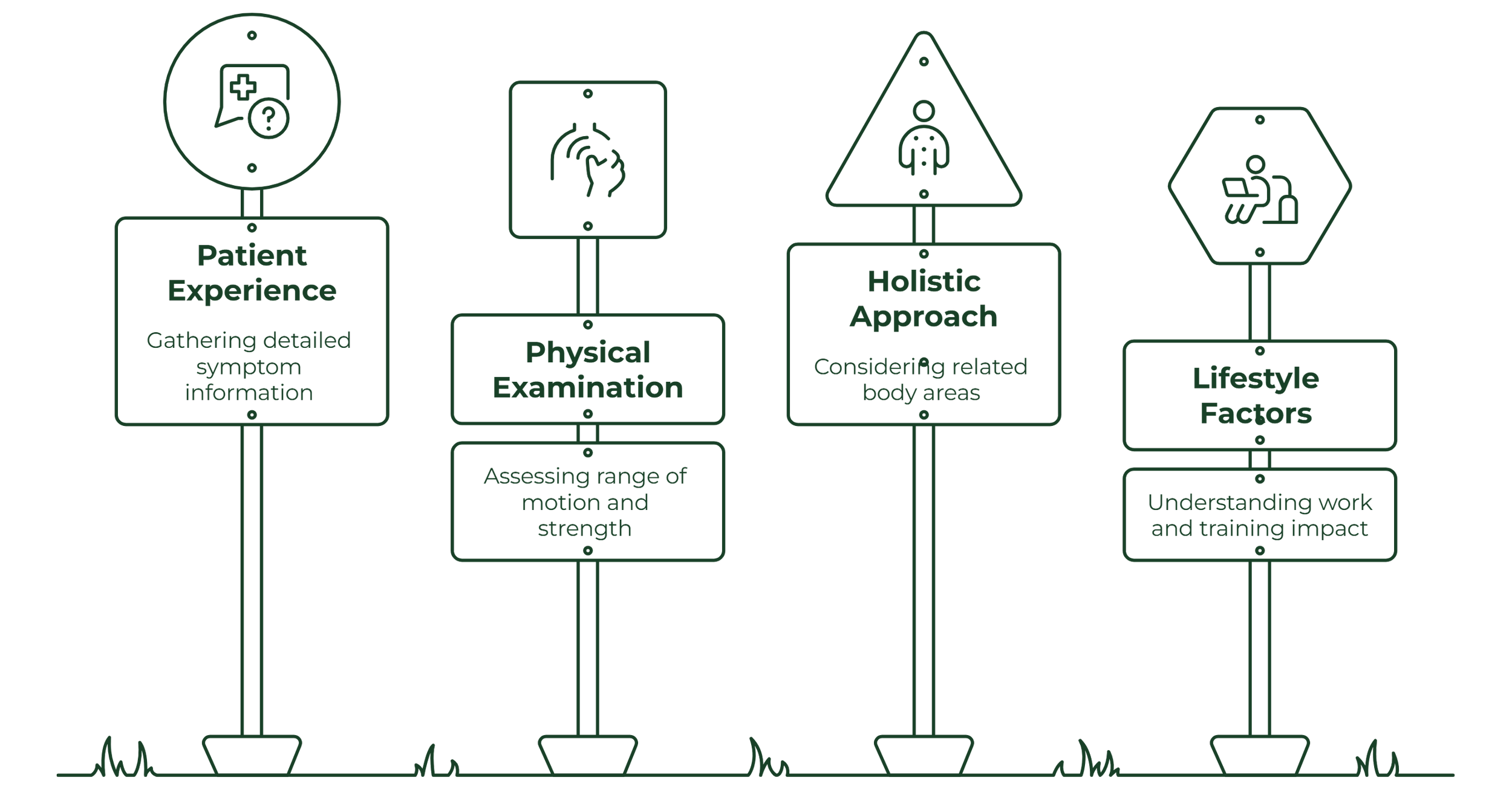
I start by asking about your symptoms, where they travel, when they started and which movements or activities aggravate them.
Depending on your presentation, I may assess relevant movement, range of motion and strength. Your lower back, hips and surrounding muscular areas may also be considered where appropriate.
For an active client, I also want to understand what happened around the time symptoms began.
Did you notice something during a lift? Have training loads recently changed? Are squats or hip-hinge movements now difficult? Can you walk comfortably? What can you still do without significantly aggravating the problem?
Those details help determine the next step.
If your presentation suggests you need further investigation or care outside remedial massage scope, I'll recommend referral rather than trying to treat everything with massage.
Can Massage Help With Sciatic-Type Pain?
Remedial or sports massage may form part of your management when muscular tension, guarding or movement restriction is relevant to your presentation.
Treatment isn't based on the idea that massage can simply “release the sciatic nerve” or remove every possible cause of radiating leg pain.
Instead, hands-on treatment is selected according to your assessment and may target relevant muscular areas around the lower back, hips or legs where appropriate.
Techniques can include remedial massage, sports massage, deep tissue techniques, trigger point therapy and stretching.
The first priority is making sure your presentation is appropriate for treatment within my scope.
Do You Only Treat Where the Pain Travels?
Not necessarily.
If symptoms travel through the buttock or leg, repeatedly massaging the painful part of the leg may not address everything that's relevant to your presentation.
Depending on your assessment, I may consider your lower back, hips, surrounding muscular tension, movement, strength and activities that reproduce your symptoms.
For someone who trains, that can include looking at movements such as squatting or hinging where appropriate.
The aim isn't to find one supposedly “tight muscle” and blame the entire problem on it. It's to build a useful picture of how you're currently moving and what may be appropriate to work on.
Can I Keep Training With Sciatic-Type Pain?
Whether you can keep training depends on your symptoms and presentation.
I don't automatically tell every active client to stop all exercise.
Where appropriate, an aggravating movement may be temporarily regressed or modified while you maintain other activities that you're tolerating. From there, movement and loading can be progressively rebuilt according to your response.
For example, someone who can't currently tolerate a loaded hinge may still have other exercises or forms of activity they can perform comfortably.
The goal is to make sensible decisions based on your presentation rather than treating complete rest or pushing through symptoms as the only two options.
Will I Get Exercises for Sciatic-Type Pain?
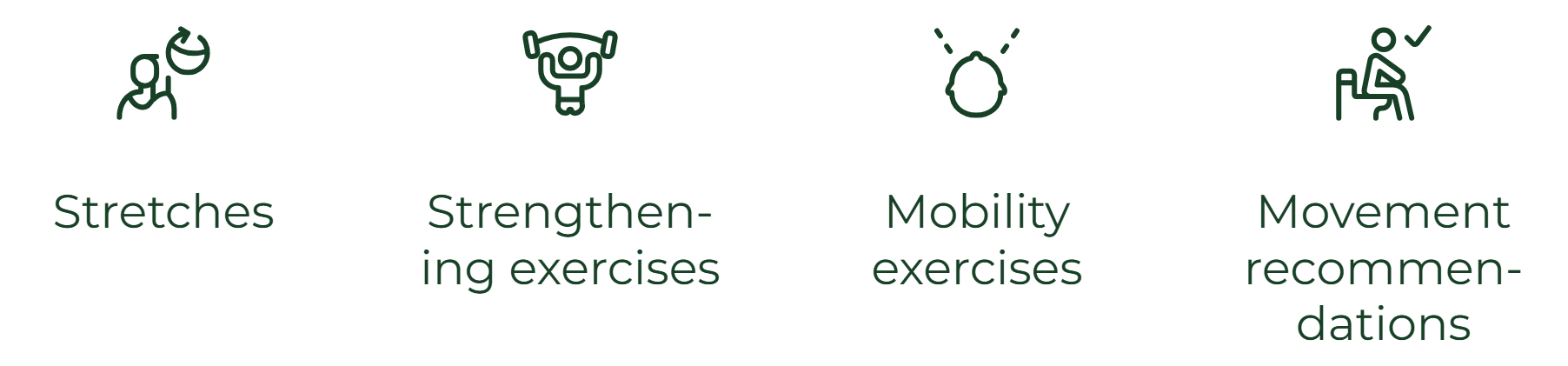
Where appropriate and appointment time permits, your treatment may include exercise or movement aftercare.
Depending on your presentation, that could involve mobility, strengthening, stability, movement-control work or modifications to aggravating activities.
In some presentations, nerve-mobility exercises may also be considered where appropriate.
As your symptoms and movement change, exercises can be reassessed and progressed rather than keeping you on the same routine indefinitely.
Your exercise aftercare is intended to complement treatment and give you practical work to do between appointments.
When Should Sciatic-Type Symptoms Be Investigated Further?
Some presentations aren't appropriate to manage as an ordinary muscular complaint.
Symptoms such as numbness, tingling, shooting or radiating pain require additional screening, particularly when they're persistent, worsening or accompanied by noticeable weakness.
I'll ask relevant questions during your assessment and stay within remedial massage scope.
If your symptoms indicate that medical investigation or another health professional is appropriate, I'll recommend referral.
The aim isn't to keep treating something simply because you've booked a massage appointment.rmits, your treatment may include exercise or movement aftercare.
Depending on your presentation, that could involve mobility, strengthening, stability, movement-control work or modifications to aggravating activities.
In some presentations, nerve-mobility exercises may also be considered where appropriate.
As your symptoms and movement change, exercises can be reassessed and progressed rather than keeping you on the same routine indefinitely.
Your exercise aftercare is intended to complement treatment and give you practical work to do between appointments.
Why Choose My Massage Therapist for Sciatic-Type Pain?
I'm a qualified Remedial Massage Therapist with more than 4 years of hands-on experience and over 3,000 treatment sessions.
I also hold Certificate III and IV in Fitness and a Certificate in Allied Health Assistance.
I regularly work with lifters, CrossFit athletes, runners, gym-goers and other active people, including clients whose symptoms are making it difficult to continue their normal training.
My approach combines assessment-led hands-on treatment with practical movement or exercise aftercare where appropriate.
If getting back to squatting, hinging, training, working or simply moving more comfortably is important to you, those goals can form part of the conversation from your first appointment.
Sciatic-Type Pain Treatment in Liverpool & South West Sydney
My Massage Therapist is located at 92 Flowerdale Road, Liverpool NSW 2170, serving clients from Liverpool and surrounding South West Sydney areas.
If sciatic-type pain is affecting your work, training or everyday movement, you don't need to decide for yourself whether massage is definitely the right treatment before booking.
I'll first assess your presentation within my scope. If remedial or sports massage is appropriate, treatment can be tailored accordingly.
If something needs further investigation, I'll tell you.
Frequently Asked Questions
-
No.
You can book to have your presentation assessed within remedial massage scope without already knowing exactly what's causing your symptoms.
I won't diagnose you with sciatica. I'll assess relevant movement, strength, range of motion and muscular findings where appropriate and recommend referral if further investigation is needed.
-
I don't describe treatment that way.
Radiating leg symptoms can have different causes, so I don't assume there's a nerve that simply needs to be “released” through massage.
Hands-on treatment may instead address relevant muscular tension, guarding or movement restrictions when appropriate for your presentation.
-
Possibly.
I don't automatically remove all training because you're experiencing sciatic-type symptoms. Depending on your presentation, some exercises may need to be modified or temporarily regressed while other tolerable activity continues.
More significant or concerning symptoms may require referral before progressing training.
-
Yes, where appropriate.
Treatment isn't restricted to one spot. Relevant areas are selected according to your symptoms and assessment rather than following the same routine for every client.
-
You don't need to decide before attending.
Sports Massage may be particularly relevant if your symptoms began during training or are preventing you from returning to lifting or sport.
Both appointments use an assessment-led approach, so we can discuss what's appropriate once I understand your presentation.
-
There's no fixed number.
Your symptoms, how long they've been present, what activities are affected, assessment findings and response to treatment can all influence the plan.
Progress is reassessed rather than promising that a predetermined number of sessions will resolve sciatic-type pain.
Book Sciatic-Type Pain Treatment in Liverpool
If pain around your lower back, buttock or leg is interfering with training, work or everyday movement, book an appointment at My Massage Therapist in Liverpool.
I'll start by assessing your presentation within my scope and determining whether remedial or sports massage is appropriate.
From there, treatment and aftercare can be tailored to what you're experiencing and what you're trying to get back to doing.
My Massage Therapist
92 Flowerdale Road, Liverpool NSW 2170